WHAT IS AQUATIC CONSERVATION?
Marine conservation, also known as aquatic protection, is a vital aspect of environmental protection, as people have come to realize over the years. Human life depends on the ocean and where the sea is under threat, so is our existence as human beings. And that is not all. Aquatic life depends on the sea too, and where our activities adversely affect the state of the sea, animals get hurt in the process, and as their numbers diminish and others become extinct, there is a change in our ecosystem.
Over time, people have become more aware of their impacts on the ocean, and as a result, there have been more efforts geared towards the conservation of the environment. Here, we will cover what this conservation is all about, some of the methods that are in place as well as arising issues in the field. Additionally, we will get into how you can get involved in this industry and what impact you can have on this sector.
Supporters of aquatic conservation come from various backgrounds and industries, including environmental organizations, research institutions, governmental bodies, and concerned individuals. They recognize the importance of protecting our oceans and marine life for the well-being of both humans and the environment. These supporters actively engage in initiatives such as creating marine protected areas, advocating for sustainable fishing practices, promoting responsible tourism, and raising awareness about the consequences of pollution and climate change on aquatic ecosystems. Furthermore, collaborations with unlikely allies, such as the corporate sector and even betting sites, have emerged as a means to drive funding and support for conservation projects. These innovative partnerships help to harness the resources and reach of such organizations to amplify the message of aquatic conservation and mobilize action towards a healthier and more sustainable future for our oceans.
What does it entail?
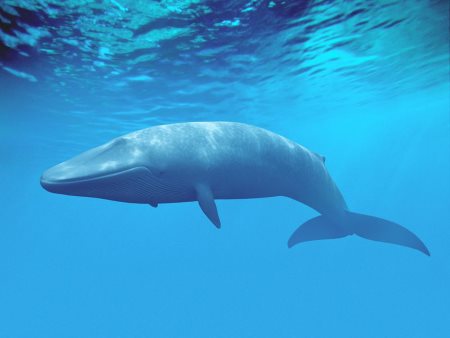
Aquatic protection refers to all activities geared towards the protection of animals and plants in the sea and the preservation of the existent ecosystems. The activities range from guarding the species in the sea to restoring those whose existences have been under threat. Aquatic conservation efforts also delve into controlling the number of species that there are in the ocean, making changes to the population to ensure that there is a balance in the ecosystem. There is also a focus on the habitats in which these species thrive and what efforts can come into play to ensure that they remain safe. And it’s not only about looking into the nature of the species but also investigating what impacts human beings have had on aquatic life.
Take the example of fishing. Back when technology was not in play, humans took what was necessary from the ocean, ensuring that they only fished mature species. With trawling and other techniques in place, it became possible for companies to travel deep into the continental shelves where they conduct fishing indiscriminately, often discarding some species as unnecessary long after they have removed them from their natural habitats. As a result, fish stocks have reduced significantly, and there is a pressing need for regulations in the sector. Overfishing is but an example of the problems facing aquatic protection. Others include pollution of the ocean, whaling, and the destruction of natural habitats as well as other human activities which continue to pose a threat to aquatic life.
When did it all begin?
Aquatic management was not a severe issue in the past, and people became aware of its importance towards the middle of the twentieth century when they realized that their activities had somewhat adversely affected the aquatic environment. This awareness came about in the 60s, around the same time that Jacques Cousteau wowed people with what they could find under the sea. People developed an interest in the aquatic environment, and soon, scores of people were heading to the ocean, eager to uncover what lay in the undersea. People also began to realize that animals, too have feelings, and they started to campaign for their rights, which led to bans on whaling. It was around this time that sensitization became an essential aspect of the society as people strove to seek how they too could be part of the change that was fast gaining popularity across the globe.
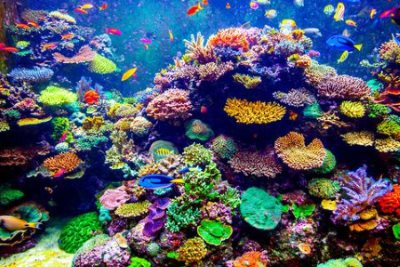
In the 70s, the US government took measures to ensure that the aquatic habitat remained protected through the enactment of various laws. These regulations were as to the protection of the endangered species and aquatic mammals and rules as to how companies could go about fishing. There was also an international agreement on the prevention of pollution from ships in a bid to reduce the pollution rates in the ocean.
Over time, it became evident that there was a need for more legislation as to the conservation of aquatic life as well as better management of the oceans. As a result, numerous councils came about whose tasks were to look into the state of water bodies and how they could manage these to ensure that the ocean remained free of pollutants. An example of such an organization would be the National Ocean Council, as a result of consultations owing to the US Commission on Ocean Policy.
Methods in Place
Most of the work revolves around the making and enforcing of laws which guide people on how they should behave regarding the sea. One such regulation would be the Endangered Species Act which restricts people from fishing those species which are under threat. Another example would be where nations set aside protected areas which they use to study stocks of certain species as they come up with ways to increase or reduce populations of given plants or animals.
Part of the work goes into informing people about the importance of aquatic life. With people aware of the benefits of a healthy aquatic life, they will be more cautious as to how they approach aquatic life.
Present Issues
As of now, efforts mainly focus on dealing with the rise of the sea level, climate change, an increase in ocean acidification, whaling, the destruction of coral reefs, invasive species, shark finning, oil spills and the hunt for endangered species. These are but some of the numerous problems that continue to threaten aquatic life to date.
How to get involved
A wise conservationist once stated that 'We can only conserve what we love; we can only love that which we understand; we only understand that which someone teaches us.' It all begins with education, and you can spread awareness by letting people know the dangers which they expose aquatic life to by engaging in activities such as indiscriminate fishing. You can also make the lesson fun by going scuba diving where you can see the many species and marvel at how beautiful the sea is. Taking your other half on such a trip is a sure way to strengthen your bond as you get them to understand the need for conservation. In the end, they too will want to be a part of the efforts.
Our Blog
Saving wild ocean places, for us and future generations
Marine Conservation History
Marine conservation is a relatively new concept, having come to be in the 70s. It began in an era known as the...Read More
 Lane G. Deleon
Human Impacts on Marine Environments
Human beings have for long relied on the sea for many reasons including as a source of food, for recreati...Read More
Lane G. Deleon
Corals and Coral Reefs
Of all marine ecosystems across the globe, coral reefs are the most diverse, earning them the name the rain...Read More
Lane G. Deleon