Human Impacts on Marine Environments
Human beings have for long relied on the sea for many reasons including as a source of food, for recreational activities, for commercial gain, as a space to dump things, as a means of transport and many other things which have added to the quality of our lives. In so doing, we have adversely affected the marine environment, thus endangering the species that rely on its existence for survival. And it’s not all about the things that we do in the sea, but rather our adverse impacts extend to the activities that take place on land. With our population expanding at fast rates, people have moved closer to the sea, thus increasing the number of actions that continue to harm the marine environment. Here are some ways in which we have unknowingly or knowingly threatened the existence of marine life to date:
Fisheries
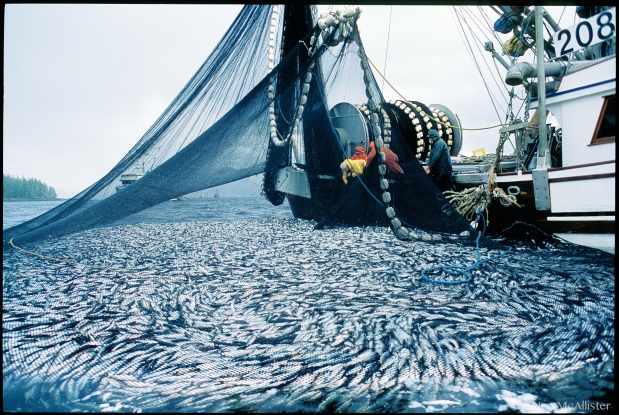
In the past and even at present, people have looked to the sea as a source of food with many coastal communities surviving on what they get from the ocean. Back in the day, the methods used to capture fish had minimal effects on the marine environment as they were on a small scale. With the coming of technology came new techniques which allowed fishing companies to capture fish stocks on a much broader scope. People were able to traverse the oceans and get to depths they could not in the past and with so many people looking to exploit the industry, it was only a matter of time before the available stocks became fully exploited. The fish stocks reduced at a fast rate, especially in areas where regulations were not in place, where unscrupulous fishing companies overexploited the fish habitats, leaving little in their wake.
Fishing methods such as trawling and dredging, which have fast become popular in the industry not only allow fishing companies to take up more stock than is necessary, but they also damage the marine habitats. They are also non-discriminatory such that they enable the companies to get hold of species that are not of value to them, which they then discard.
However, there is a way to deal with all this, ensuring that humans get an adequate supply of fish without threatening the marine habitats. With quota systems in place such as those in New Zealand, it is possible to come up with sustainable fishing practices.
Eutrophication
We use a lot of farm inputs on our land to increase production, and while this may have worked in our favour regarding bountiful harvests, it also poses a risk to our marine ecosystems. The chemicals in the ground make their way to rivers and streams, which then lead to the ocean. The inputs lead to increased growth of phytoplankton, which leads to situations known as blooms. Additionally, these inputs can lead to the death of organisms in the sea, and where large numbers die, there is a high increase in decomposition rates which, in turn, reduces the oxygen available to other organisms, thus leading to more deaths. It is a continuous cycle which, when left unmonitored, can have drastic effects on the environment.
Pollution
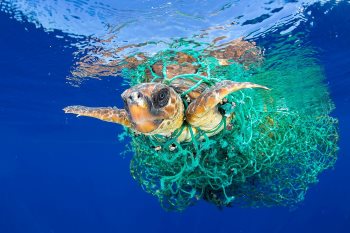
Many are the times that people have resorted to using the sea as a dumping ground for materials such as chemicals, run-off from factories and sewage, amongst other wastes. In the past, there was a belief that the ocean could pretty much handle anything which we threw into it, but recent studies have shed light on the issue, showing that it can only take so much. Some wastes are accidental such as those that come about owing to tanker accidents in the sea which lead to oil spills that endanger the life of marine species as well as birds that depend on marine life for survival. Others take place owing to lack of knowledge such as cases where polluted water flows from our rivers and into the seas. Others take place due to successive food chains where organisms feed on others which have consumed toxic materials. Most of these situations are manageable with the right practices in play, and this can help us protect the marine life that we have in place.
Introduction of Species
The addition of other species into marine life can lead to the development of problems in the ecosystem. Take an example of seaweed. When introduced to an area, it spreads at a fast rate, and in most cases, you will find that its growth is uncontrollable. There is no telling what will happen when a new species gets into the system. It could die or survive, but the moment it establishes itself, getting rid of it may prove challenging or impossible. It is therefore important to have organizations in place to monitor new activities and to deal with any unknown species the minute they detect the same in the environment. Last but not least, the increase of carbon dioxide in the atmosphere has led to increased absorption of the same in the ocean, which has led to more acidic seawater, which threatens marine biodiversity. It is clear that our actions have severe impacts on the sea, some of which are irreversible, and it is high time that we changed our approaches regarding the sea. What are some of the steps that you can take to improve the situation?
Our Blog
Saving wild ocean places, for us and future generations
Endangered Ocean Species and Marine Animals
Our eco-system works that animals and plants comprise a web, in which all species depend on each other...Read More
 Lane G. Deleon
Marine Conservation History
Marine conservation is a relatively new concept, having come to be in the 70s. It began in an era known as the...Read More
Lane G. Deleon
Corals and Coral Reefs
Of all marine ecosystems across the globe, coral reefs are the most diverse, earning them the name the rain...Read More
Lane G. Deleon